




What is the basic difference between Kathak, Kathakali and Bharatanatyam?
Asked by Elnaz Last Modified

Follow 2 
 Answer
Kathak, Kathakali, and Bharatanatyam are three distinct classical dance forms of India, each with its unique characteristics. *Kathak* - Origin: North India (Uttar Pradesh, Madhya Pradesh, Bihar) - Emphasis: Storytelling, rhythm, and footwork - Style: Fast-paced, energetic, and dynamic - Music:...
read more Kathak, Kathakali, and Bharatanatyam are three distinct classical dance forms of India, each with its unique characteristics. *Kathak* - Origin: North India (Uttar Pradesh, Madhya Pradesh, Bihar) - Emphasis: Storytelling, rhythm, and footwork - Style: Fast-paced, energetic, and dynamic - Music: Hindustani classical music - Costumes: Simple, flowing attire with intricate embroidery *Kathakali* - Origin: Kerala (South India) - Emphasis: Drama, facial expressions, and mime - Style: Highly stylized, elaborate, and dramatic - Music: Carnatic classical music - Costumes: Elaborate, colorful, and ornate with intricate makeup *Bharatanatyam* - Origin: Tamil Nadu (South India) - Emphasis: Bhakti (devotion), lasya (beauty), and tandava (energy) - Style: Graceful, elegant, and precise - Music: Carnatic classical music - Costumes: Traditional South Indian saree with intricate jewelry *Key differences:* 1. Geographic origin: Kathak (North), Kathakali and Bharatanatyam (South) 2. Musical style: Kathak (Hindustani), Kathakali and Bharatanatyam (Carnatic) 3. Dance style: Kathak (fast-paced), Kathakali (dramatic), Bharatanatyam (graceful) 4. Storytelling: Kathak (emphasis on storytelling), Kathakali (emphasis on drama), Bharatanatyam (emphasis on devotion) 5. Costumes and makeup: Kathakali (elaborate), Bharatanatyam (traditional), Kathak (simple) These differences reflect the unique cultural, historical, and regional contexts of each dance form. Would you like information on: 1. Comparisons between other Indian classical dance forms? 2. History and evolution of these dance forms? 3. Notable dancers and their contributions? 4. Dance training and institutions? 5. Cultural significance and relevance? read less
0
Comments

Kathak, Kathakali, and Bharatanatyam are three distinct classical dance forms of India, each with its unique characteristics. *Kathak* - Origin: North India (Uttar Pradesh, Madhya Pradesh, Bihar) - Emphasis: Storytelling, rhythm, and footwork - Style: Fast-paced, energetic, and dynamic - Music: Hindustani...
read more Kathak, Kathakali, and Bharatanatyam are three distinct classical dance forms of India, each with its unique characteristics. *Kathak* - Origin: North India (Uttar Pradesh, Madhya Pradesh, Bihar) - Emphasis: Storytelling, rhythm, and footwork - Style: Fast-paced, energetic, and dynamic - Music: Hindustani classical music - Costumes: Simple, flowing attire with intricate embroidery *Kathakali* - Origin: Kerala (South India) - Emphasis: Drama, facial expressions, and mime - Style: Highly stylized, elaborate, and dramatic - Music: Carnatic classical music - Costumes: Elaborate, colorful, and ornate with intricate makeup *Bharatanatyam* - Origin: Tamil Nadu (South India) - Emphasis: Bhakti (devotion), lasya (beauty), and tandava (energy) - Style: Graceful, elegant, and precise - Music: Carnatic classical music - Costumes: Traditional South Indian saree with intricate jewelry *Key differences:* 1. Geographic origin: Kathak (North), Kathakali and Bharatanatyam (South) 2. Musical style: Kathak (Hindustani), Kathakali and Bharatanatyam (Carnatic) 3. Dance style: Kathak (fast-paced), Kathakali (dramatic), Bharatanatyam (graceful) 4. Storytelling: Kathak (emphasis on storytelling), Kathakali (emphasis on drama), Bharatanatyam (emphasis on devotion) 5. Costumes and makeup: Kathakali (elaborate), Bharatanatyam (traditional), Kathak (simple) These differences reflect the unique cultural, historical, and regional contexts of each dance form. Would you like information on: 1. Comparisons between other Indian classical dance forms? 2. History and evolution of these dance forms? 3. Notable dancers and their contributions? 4. Dance training and institutions? 5. Cultural significance and relevance? read less
0
Comments

The basic differences are: Kathak: Originating from North India, it emphasizes storytelling through intricate footwork, spins, and facial expressions, often performed solo. Kathakali: A classical dance-drama from Kerala, known for its elaborate costumes, makeup, and expressive gestures, focusing...
read more The basic differences are: Kathak: Originating from North India, it emphasizes storytelling through intricate footwork, spins, and facial expressions, often performed solo. Kathakali: A classical dance-drama from Kerala, known for its elaborate costumes, makeup, and expressive gestures, focusing on mythological themes and group performances. Bharatanatyam: Originating from Tamil Nadu, it combines fixed upper torso, bent legs, intricate footwork, and expressive hand gestures (mudras), often performed as a solo dance with a strong emphasis on spirituality and devotion. read less
0
Comments
View 1 more Answers
Related Questions
Is there any shortcut for learning Kathak dance? 
Consistent and focused practice is the key to excellence. Dedicate a specific time each day to your Kathak practice, encompassing various elements such as intricate footwork, hand movements, and facial...
 6
6 Which is better for beginners, Bharatnatyam or Kathak (dance)? Why?
Bharatanatyam requires a lot of flexibility, balance, and strength. The dance form involves intricate hand gestures, footwork, and poses that require a lot of practice and precision. Kathak, on the other...

At the age of 37, can I learn kathak?
Yes, anyone can learn at any age; there is no limit to gain new knowledge.

How did Kathak originate?
Kathak, an Indian classical dance form, originated from the wandering storytellers (Kathakars) of North India during the Bhakti movement, evolving into a distinct art form through the incorporation of...
Now ask question in any of the 1000+ Categories, and get Answers from Tutors and Trainers on UrbanPro.com
Ask a QuestionRelated Lessons
Kathak Basic lessons Foot work, Chakars
Kathak FOOTWORK 1 to 8 bits foot tap One by one Example: R-L-R-L-R-L-R-L 1 to 8 bits foot tap Example: RR-LL-RR-LL 1 to 12 bits foot tap Example: RRR-LLL-RRR-LLL 1 to...

Tatkar
Tatkar is a footwork in Kathak dance according to the bols. Each Taal has it different tatkar .for eg - teen tall bol is Ta, Thai, Thai, tat Aa ,Thai ,Thai ,tat Ta ,Thai ,Thai ,tat Aa, Thai, Thai...
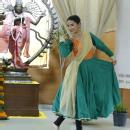
Fundamentals of kathak
Learning any classical indian dance form requires patience and dedication. While learning kathak you should pay special attention to the tatkar (footwork) and chakkars(turns or rounds) . once you master...
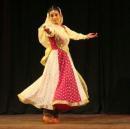
What are the different steps in a Kathak performance and how to define them?
Before the traditional Kathak performance starts a dancer generally pays tribute to God through Guru Vandana. A traditional Kathak performance starts with Aamad (means entrance) followed by Salami (saluting...
Find Choreography Classes near you
Looking for Choreography Classes?
Learn from the Best Tutors on UrbanPro
Are you a Tutor or Training Institute?
Join UrbanPro Today to find students near you


