What are the similarities between tap, jive, and clog dancing?

Asked by Last Modified  

4 Answers

Follow 2
Answer

Please enter your answer

Let's learn with pure heart

Both clogging and tap use the soles and heels of shoes to create sounds by hitting them on the dance floor.
Comments

Let's learn with pure heart

They are helpful in Having A Healthy Hobby. Having healthy hobbies are important to living a well balanced life.
Comments

Dance choreographer with 6 years of Experience

Tap, jive, and clog dancing are all forms of percussive dance that share some similarities: 1. Rhythmic Footwork: In all three styles, dancers create rhythms and sounds using their feet. They wear special shoes with metal taps or plates to emphasize the percussive element. 2. Syncopation: These dances...
read more
Tap, jive, and clog dancing are all forms of percussive dance that share some similarities: 1. Rhythmic Footwork: In all three styles, dancers create rhythms and sounds using their feet. They wear special shoes with metal taps or plates to emphasize the percussive element. 2. Syncopation: These dances often incorporate syncopation, which means accentuating beats that are not typically emphasized in the music. This adds complexity and excitement to the dance. 3. Uplifting and Energetic: Tap, jive, and clog dancing are known for their high-energy and lively performances. They all exude a sense of joy and enthusiasm. 4. Traditional Roots: Each of these dance forms has roots in traditional and folk dance. Tap has its origins in African and Irish step dance, jive evolved from swing and jazz dances, and clog dancing has diverse regional influences. 5. Partner and Solo Variations: While they can be danced solo, tap, jive, and clog also have partner variations that involve intricate footwork and coordination with a partner. 6. Musicality: Dancers in all three styles pay close attention to the musicality of their movements, responding to the rhythms and melodies in the music. Despite these similarities, each dance style has its unique characteristics and techniques, making them distinct and captivating in their own right. read less
Comments

I am online Quran teacher 7 years

Both clogging and tap use the soles and heels of shoes to create sounds by hitting them on the dance floor.
Comments

View 2 more Answers

Related Questions

What is your definition of Indian classical dance?
It's the form of rich culture and expressions
Rajesh
0 0
5
Who is the father of Kathak dance?
Pandit Birju Maharaj ji
Advm
0 0
7
Does Kathak influence height?
No, practicing Kathak dance does not influence or stop height gain; it's a misconception that Kathak dance can affect height.
User
0 0
6
Are dance classes worth the money compared to learning on your own?
Afcose yes From biggner to advance level you can learn dance . its always budget friendly and proper technically you are going to learn things
Franziska
0 0
5

Now ask question in any of the 1000+ Categories, and get Answers from Tutors and Trainers on UrbanPro.com

Ask a Question

Related Lessons

What are the different steps in a Kathak performance and how to define them?
Before the traditional Kathak performance starts a dancer generally pays tribute to God through Guru Vandana. A traditional Kathak performance starts with Aamad (means entrance) followed by Salami (saluting...

Online Bollywood Dance class || dance choreography

Bharatnatyam and it's importance
Bharatnatyam is one of the traditional dance of India. It is more important to give respect and protect it's worth. Because it provides our traditional, ancient myths and prospects. It inculcates discipline...

Let's learn why we should dance.. 🙏how to feel dead without seeing the dance floor🥰... Let's create magic in feets ❤️‍🩹 don't worry 🙏🙏
Hey students.... Lets know about a very interesting thing... In this world.. There is no one except the creator of world is the all rounder and also in their own profession they can't be the person who...

Professionally trained kathak dance teacher
Kathak is a classical Indian dance form originating from North India, known for its storytelling through intricate footwork, expressive gestures, and captivating facial expressions. It is one of the eight major Indian classical dance styles.

Recommended Articles

One this Teacher's day - We feature India's best teachers and trainers across different fields. We're proud to feature Mr Shiamak Davar as India's prominent and arguably the best Dance Trainer. Shiamak has not just been a great performer but a fantastic trainer and teacher for thousands of budding dancers. He has gone...

Read full article >

Summer is the best time of the year when your kids can have maximum fun without the need to bother about concentrating on studies and sticking to routine schedules. During summer vacation your kids can explore exciting outdoor activities that can thrill them and bring out the adventurer in them. Here are five exciting activities...

Read full article >

Do you love dancing and want to be in shape? Then, probably you should try out Zumba, an incredible dance fitness program introduced by a Colombian dancer and choreographer in the 90s. It involves aerobic and dance movements which is perfect to tone and sculpt the body. Zumba fitness includes soca, salsa, hip-hop, samba,...

Read full article >
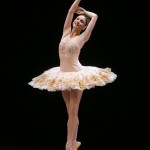
There is more to dance than moving your body to the rhythms of music. Whether the dance movements are energetic, funny, slow or romantic, dances are great way to express yourself in the most beautiful way. Dances have been a part of numerous cultures since ancient times across the world. It is considered as a form of self-expression,...

Read full article >

Looking for Dance classes?

Learn from the Best Tutors on UrbanPro

Are you a Tutor or Training Institute?

Join UrbanPro Today to find students near you