


 You have successfully registered
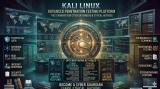

Kali Linux is a Debian-based Linux distribution developed for cybersecurity and security testing.
It provides a large collection of tools used for areas such as:
- Information gathering
- Network discovery
- Vulnerability assessment
- Penetration testing
- Web application security testing
- Password auditing
- Wireless security assessment
- Digital forensics
- Reverse engineering
- Security research
The important objective of the course is not simply learning Kali Linux, but learning how Kali fits into a cybersecurity professional's workflow.
3. Course Objectives
By the end of the training, students should be able to:
- Install and configure Kali Linux
- Navigate the Linux command line
- Manage files, directories and permissions
- Understand Linux users and groups
- Configure networking in Kali
- Install and manage packages
- Understand common cybersecurity tools
- Perform authorized reconnaissance
- Discover hosts and services in a lab
- Perform network scanning
- Analyze network traffic
- Identify vulnerabilities
- Understand password-security auditing
- Perform controlled web-security testing
- Understand wireless-security assessment concepts
- Analyze security logs and information
- Understand exploitation methodology
- Document security findings
- Build a basic penetration-testing workflow
- Use Kali in virtualized cybersecurity labs









 View this Course




 Certified




