

 Sector 78, Noida
 Details verified of Bhupendra Singh✕
 Identity
Education
Know how UrbanPro verifies Tutor details
Identity is verified based on matching the details uploaded by the Tutor with government databases.
 Online Classes
  Share this profile
 Hindi Mother Tongue (Native)
English Proficient
MJPRU BAREILLY 2023
Bachelor of Science (B.Sc.)
THE YOGAGURU INSTITUTE 2023
200 hr Yoga teacher training course
Sector 78, Noida, India - 201301
 Education Verified
Phone Verified
 Report this Profile
Is this listing inaccurate or duplicate? Any other problem?
Please tell us about the problem and we will fix it.
Answered on 05/02/2025
 Ask a Question
 Post a Lesson
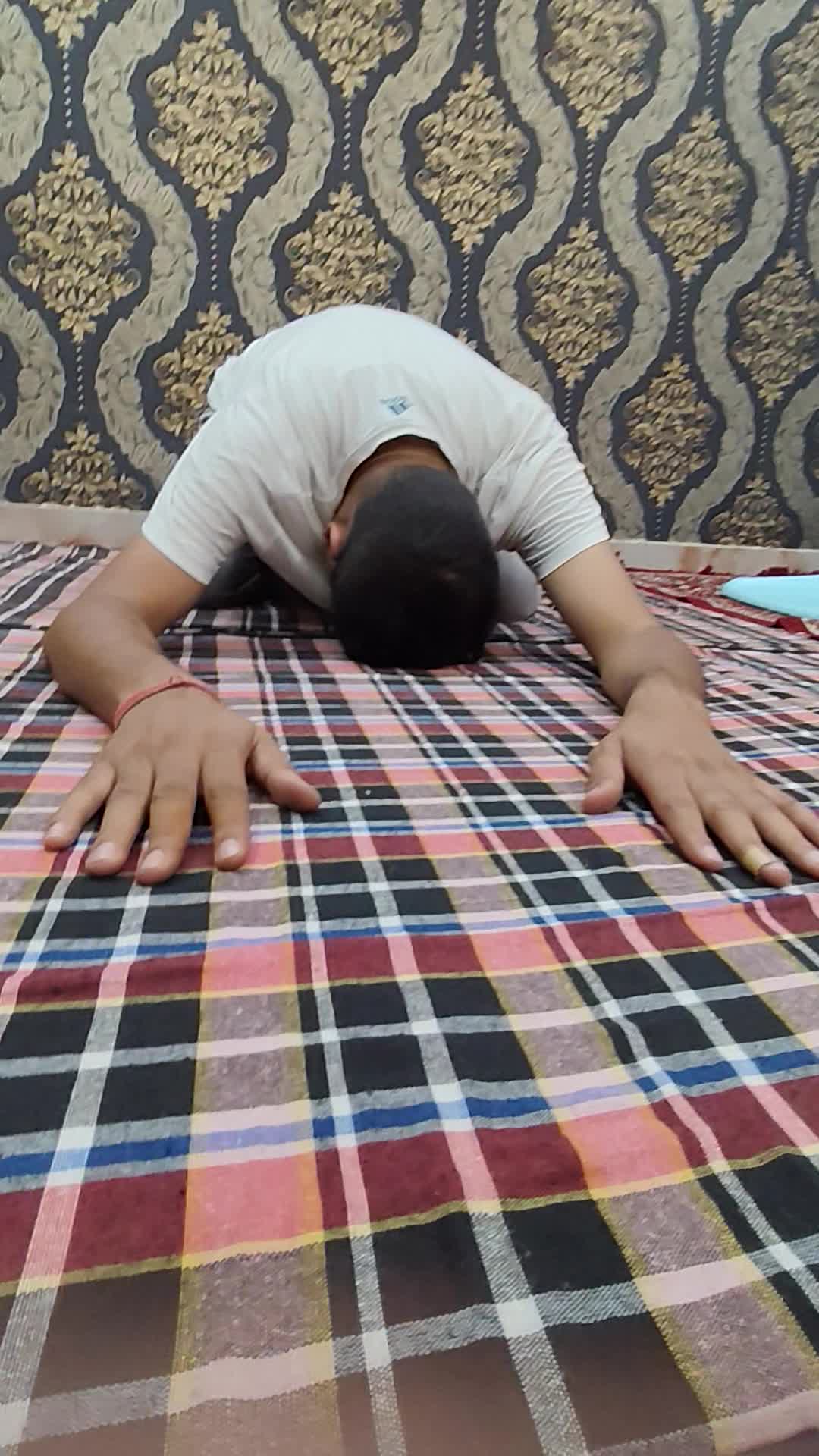
Power Yoga is a vigorous, fitness-oriented style of yoga that combines strength, flexibility, and endurance. Inspired by Ashtanga Yoga, it was popularized in the 1990s by Beryl Bender Birch, Bryan Kest, and Baron Baptiste. Unlike traditional yoga, Power Yoga follows a dynamic, fast-paced flow (vinyasa) rather than a fixed sequence. It focuses on building muscle, improving balance, and enhancing cardiovascular health while maintaining breath awareness (pranayama). Often used as a workout, it appeals to athletes and those seeking a high-energy, calorie-burning practice. Power Yoga also promotes mental focus, stress relief, and mindfulness, blending physical intensity with meditative awareness.
 Like 0
  Answers 5
  Comments
 Answered on 05/02/2025
Ask a Question
Post a Lesson
Yoga originated over 5,000 years ago in India, first mentioned in the Vedas. The Upanishads and Bhagavad Gita expanded its philosophy, while Patanjali’s Yoga Sutras (c. 200 CE) systematized it into an 8-limbed path. Hatha Yoga (15th century) emphasized physical postures and breath control. In the 19th and 20th centuries, yogis like Swami Vivekananda and Krishnamacharya introduced yoga globally. Today, styles like Hatha, Vinyasa, and Ashtanga focus on physical, mental, and spiritual well-being. Yoga has evolved into a worldwide wellness practice, blending ancient traditions with modern fitness, stress relief, and mindfulness.
Like 0 Answers 5 Comments Ask a Question
Find Qualified Tutors on UrbanPro for School Tuitions in all subjects


Answered on 05/02/2025
Ask a Question
Post a Lesson
Power Yoga is a vigorous, fitness-oriented style of yoga that combines strength, flexibility, and endurance. Inspired by Ashtanga Yoga, it was popularized in the 1990s by Beryl Bender Birch, Bryan Kest, and Baron Baptiste. Unlike traditional yoga, Power Yoga follows a dynamic, fast-paced flow (vinyasa) rather than a fixed sequence. It focuses on building muscle, improving balance, and enhancing cardiovascular health while maintaining breath awareness (pranayama). Often used as a workout, it appeals to athletes and those seeking a high-energy, calorie-burning practice. Power Yoga also promotes mental focus, stress relief, and mindfulness, blending physical intensity with meditative awareness.
Like 0 Answers 5 Comments Answered on 05/02/2025
Ask a Question
Post a Lesson
Yoga originated over 5,000 years ago in India, first mentioned in the Vedas. The Upanishads and Bhagavad Gita expanded its philosophy, while Patanjali’s Yoga Sutras (c. 200 CE) systematized it into an 8-limbed path. Hatha Yoga (15th century) emphasized physical postures and breath control. In the 19th and 20th centuries, yogis like Swami Vivekananda and Krishnamacharya introduced yoga globally. Today, styles like Hatha, Vinyasa, and Ashtanga focus on physical, mental, and spiritual well-being. Yoga has evolved into a worldwide wellness practice, blending ancient traditions with modern fitness, stress relief, and mindfulness.
Like 0 Answers 5 Comments Ask a Question
Want to learn from Bhupendra Singh?
Share this profile 
Reply to 's review
Enter your reply*

Your reply has been successfully submitted.
 Certified
The Certified badge indicates that the Tutor has received good amount of positive feedback from Students.

 Noida
Noida