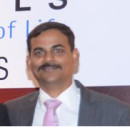
Teaching interview preparation to more than 1000 students has been a rewarding and impactful experience for me. As a Softskills and Communication Skills Trainer, I have seen firsthand how crucial it is to equip individuals with the tools they need to navigate the job market successfully. While technical skills are often given priority in education, the importance of mastering the art of interviews and resume building cannot be overstated. These are the foundational skills that determine whether one’s application makes it through the initial screenings and whether they leave a lasting impression on potential employers. ### A Comprehensive Approach to Interview Preparation Interview preparation is more than just answering questions; it’s about understanding the psychology of the interview process, mastering self-presentation, and building confidence. I work with students from the very basics to advanced techniques, ensuring they are fully prepared for any situation they might face during a job interview. One of the first lessons I teach is the importance of mindset. Many students approach interviews with a sense of dread or anxiety, which can negatively affect their performance. Through structured guidance and practical exercises, I help students build self-confidence, teaching them to view interviews not as a daunting interrogation but as an opportunity to showcase their strengths. A major aspect of interview preparation is understanding the types of questions that are typically asked and why they are asked. I break these down into several categories—behavioral questions, technical questions, and situational questions—guiding students through the process of crafting thoughtful, structured responses. #### Behavioral Questions: These questions assess how a candidate has handled situations in the past, often using the STAR method (Situation, Task, Action, Result). For example, a common question might be, “Tell me about a time you faced a challenge at work and how you handled it.” In preparing students for these types of questions, I emphasize the importance of storytelling and framing experiences in a positive light. It's not just about relaying what happened but focusing on the lessons learned, the skills applied, and how the experience has prepared them for the position they’re interviewing for. #### Technical and Situational Questions: Technical questions are often specific to the role a candidate is applying for, and I ensure that students can answer these by encouraging them to review their subject matter expertise. However, equally important are situational questions—those that test a candidate's problem-solving abilities and how they would handle hypothetical scenarios. Here, I guide students in developing logical, coherent answers that demonstrate critical thinking and adaptability. ### Crafting a Professional Resume Resume building is another critical component of the job application process, and it’s something many students struggle with. In an increasingly competitive job market, where recruiters often spend only a few seconds reviewing each resume, it’s imperative that the document is structured in a way that grabs attention and effectively communicates the candidate’s qualifications. I teach students to avoid common mistakes, such as overcrowding their resumes with unnecessary information or using overly complicated formats. One of the key lessons I emphasize is clarity and relevance—knowing which sections to include and which to leave out. Key Resume Sections: Contact Information: It may seem basic, but ensuring that contact details are up to date and presented clearly is vital. I encourage students to create professional email addresses if they don’t already have one and to consider adding links to their LinkedIn profiles or portfolios when appropriate. - **Professional Summary**: This is often the first section recruiters read, so it must be concise yet impactful. I help students craft tailored professional summaries that highlight their key skills, experiences, and career goals. - **Skills**: In the skills section, I teach students to focus on both technical and soft skills. Employers today value well-rounded candidates, so showcasing adaptability, problem-solving, and communication skills alongside technical competencies is crucial. Experience: One of the common challenges students face is how to present their work experience, especially if they are fresh graduates or transitioning between fields. I guide them in highlighting transferable skills and achievements, rather than just listing duties. Achievements demonstrate the impact they’ve made in previous roles and set them apart from other candidates. - **Education**: Depending on the stage of their career, the education section might be more or less prominent. For recent graduates, it’s essential, and I help students list their academic qualifications alongside any notable accomplishments, such as scholarships or relevant projects. - **Additional Sections**: I teach students when and how to include sections like certifications, languages, volunteer work, and hobbies. These can help differentiate them, but I stress the importance of relevance. For example, a certification in a specialized software relevant to the job is valuable, while a hobby section should only be included if it adds to the narrative of the candidate's skills or interests in relation to the job. #### Sections to Avoid: It’s equally important to know what to exclude from a resume. Overloading a resume with unnecessary details can dilute the impact of the relevant information. For example, I advise students against including personal information like age, marital status, or photographs, as these are not only unnecessary but can also open the door to unconscious bias. I also caution against listing every job they’ve ever had, especially if it’s not relevant to the position they’re applying for. Instead, I encourage them to focus on the most recent and relevant experiences, framing them in a way that aligns with the job description. ### Mastering ATS (Applicant Tracking Systems) In today’s job market, resumes are often first screened by Applicant Tracking Systems (ATS), a technology designed to scan resumes for keywords before a human recruiter ever sees them. This presents a new challenge for job seekers, as it requires understanding how to optimize a resume not just for human readers, but for machines as well. I teach students how ATS works and guide them through the process of tailoring their resumes accordingly. This includes: Keyword Optimization: I show students how to identify the most important keywords from job descriptions and strategically incorporate them into their resumes. These might include specific technical skills, job titles, or certifications. Format Considerations: ATS can struggle to read overly complex formats, so I encourage students to stick to simple, clean designs with clear headings and bullet points. I also stress the importance of avoiding images, tables, and other elements that can confuse the system. Customizing Each Resume: One of the most effective ways to get past ATS is by customizing each resume Continuous Learning and Adaptation One of the most fulfilling aspects of teaching interview preparation and resume building is seeing the growth and transformation in my students. Many come to me feeling unsure of themselves, overwhelmed by the job market, or unclear on how to present their qualifications. Through consistent practice, feedback, and guidance, they leave with a clear understanding of how to navigate the job search process and present themselves confidently in interviews. What makes this process even more exciting is the evolving nature of recruitment and hiring practices. With the rise of new technologies and methods, such as virtual interviews and the increasing use of ATS, it's critical to stay updated and adapt teaching methods accordingly. I make it a point to keep my students informed about these changes and ensure they are equipped with the most up-to-date knowledge and skills. In conclusion, teaching interview preparation and resume building is about much more than just imparting knowledge—it’s about empowering students to take control of their career paths and approach the job market with confidence and clarity. By providing a structured, comprehensive approach to these essential skills, I aim to give each student the tools they need to not only succeed in interviews but to thrive in their chosen careers. Through my experience working with over 1000 students, I have seen how transformative these skills can be, and I am passionate about continuing to guide future professionals on their journey to success.



 Highly Rated Tutors





 Trimurti Nagar, Nagpur


































 Free Demo Class


