"Still Learning. Still teaching. Always thinking ahead."
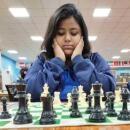
Teaching Experience (Chess Coaching) My journey into chess coaching has been an organic extension of my lifelong fascination with the game’s depth, logic, and artistry. I began as an independent learner, studying classical games, exploring online databases, and analyzing positions late into the night — not for titles, but for understanding. Over time, friends and peers began approaching me for guidance, asking me to explain openings, positional concepts, and strategic plans. What started informally as helping others improve gradually evolved into structured sessions built around genuine curiosity and shared learning. My approach to teaching chess is rooted in simplicity, clarity, and patience. I focus on why a move works rather than just what to play. This means emphasizing principles like control of the center, piece activity, and pawn structure over memorizing long variations. I try to help students internalize the reasoning behind decisions, so they can apply the same logic in unfamiliar positions. Each lesson is tailored to the student’s level — whether it’s learning basic checkmates, developing opening awareness, or understanding more advanced concepts like prophylaxis, calculation, and time management during competitive play. To make sessions engaging, I integrate interactive methods: solving puzzles together, replaying famous games, and analyzing my students’ own matches to identify recurring mistakes or missed opportunities. I often use online platforms like Chess.com, Lichess, and ChessBase for lesson delivery, position analysis, and game review. These tools help visualize complex ideas, track progress, and make lessons more dynamic. While I am still in the early stages of my formal coaching journey, I’ve discovered that being a learner myself adds a unique dimension to my teaching style. I understand the mental blocks beginners face — the impatience, the frustration of blunders, and the confusion of navigating openings — because I’ve been there too. That relatability helps me communicate ideas in a way that feels friendly, realistic, and encouraging rather than purely instructional. Beyond moves and tactics, I try to convey what chess truly teaches: discipline, foresight, emotional control, and creative problem-solving. Every game is a conversation — between logic and intuition, aggression and restraint, victory and humility. My aim as a coach is to make my students not only better players but also more reflective thinkers who appreciate the quiet beauty of the board.



 Highly Rated Tutors





 Top Tutor


 New Town, Kolkata
















































 Free Demo Class


