



 Laitumkhrah, Shillong
  Identity


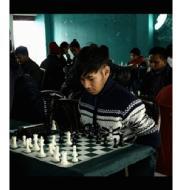
Playing chess is like stepping into a battlefield of the mind. The board, with its 64 squares, becomes a world where every piece carries weight and potential. At first, it feels calm—two armies facing each other in silence. But as the game unfolds, every move carries tension. A pawn steps forward, a knight leaps unpredictably, and suddenly the balance shifts. The experience is both thrilling and humbling. Sometimes, it feels like solving a deep puzzle, trying to see patterns and traps hidden beneath the surface. Other times, it feels like a psychological duel, where you try to read your opponent’s intentions while disguising your own. There are moments of triumph, when a strategy unfolds perfectly, and moments of frustration, when a single mistake unravels everything. What makes chess special is the mix of patience and intensity. The silence around the board can feel louder than noise, as both players concentrate deeply. The clock ticks, decisions must be made, and the pressure builds. Win or lose, each game leaves behind a trace—of creativity, of discipline, of lessons learned. In the end, playing chess is not just about competition. It’s about experiencing the beauty of strategy, the elegance of foresight, and the joy of challenging both your opponent and yourself.




 Bangalore











 Certified



