



 You have successfully registered


Trading, Investing, and Commodity Trading
Your stock market class will introduce you to three fundamental concepts: trading, investing, and commodity trading. Each approach offers distinct opportunities and risks within the financial markets.
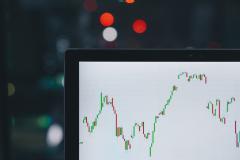
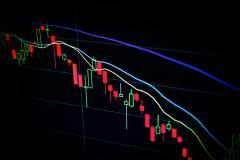
Trading is characterized by short-term market participation. Traders seek to profit from rapid price fluctuations by buying and selling securities within relatively short timeframes. This approach often involves technical analysis, which studies price charts and patterns to identify potential trading opportunities. While it can be lucrative, trading also carries higher risk due to its short-term nature.
Investing, on the other hand, focuses on building wealth over the long term. Investors typically buy and hold securities for extended periods, aiming to benefit from company growth and increasing stock prices. Fundamental analysis, which involves evaluating a company's financial health and industry prospects, is a cornerstone of investing. Diversification across different asset classes is a key strategy to manage risk.
Commodity trading involves buying and selling raw materials such as gold, oil, or agricultural products. Commodity prices are influenced by factors like supply and demand, economic conditions, and geopolitical events. Unlike stocks, which represent ownership in a company, commodities are physical assets. Commodity trading can be used for both speculation and hedging purposes.
Understanding the distinctions between trading, investing, and commodity trading will equip you with a solid foundation for making informed decisions in the dynamic world of finance.

 View this Course
 Top Tutor



 Certified



