



 You have successfully registered


 Certified
This course is designed to help learners build real-world iOS applications using Swift, Xcode, and modern Apple development frameworks. It is suitable for beginners, students, fresh graduates, existing mobile developers, and working professionals who want to start or advance their career in iOS application development.
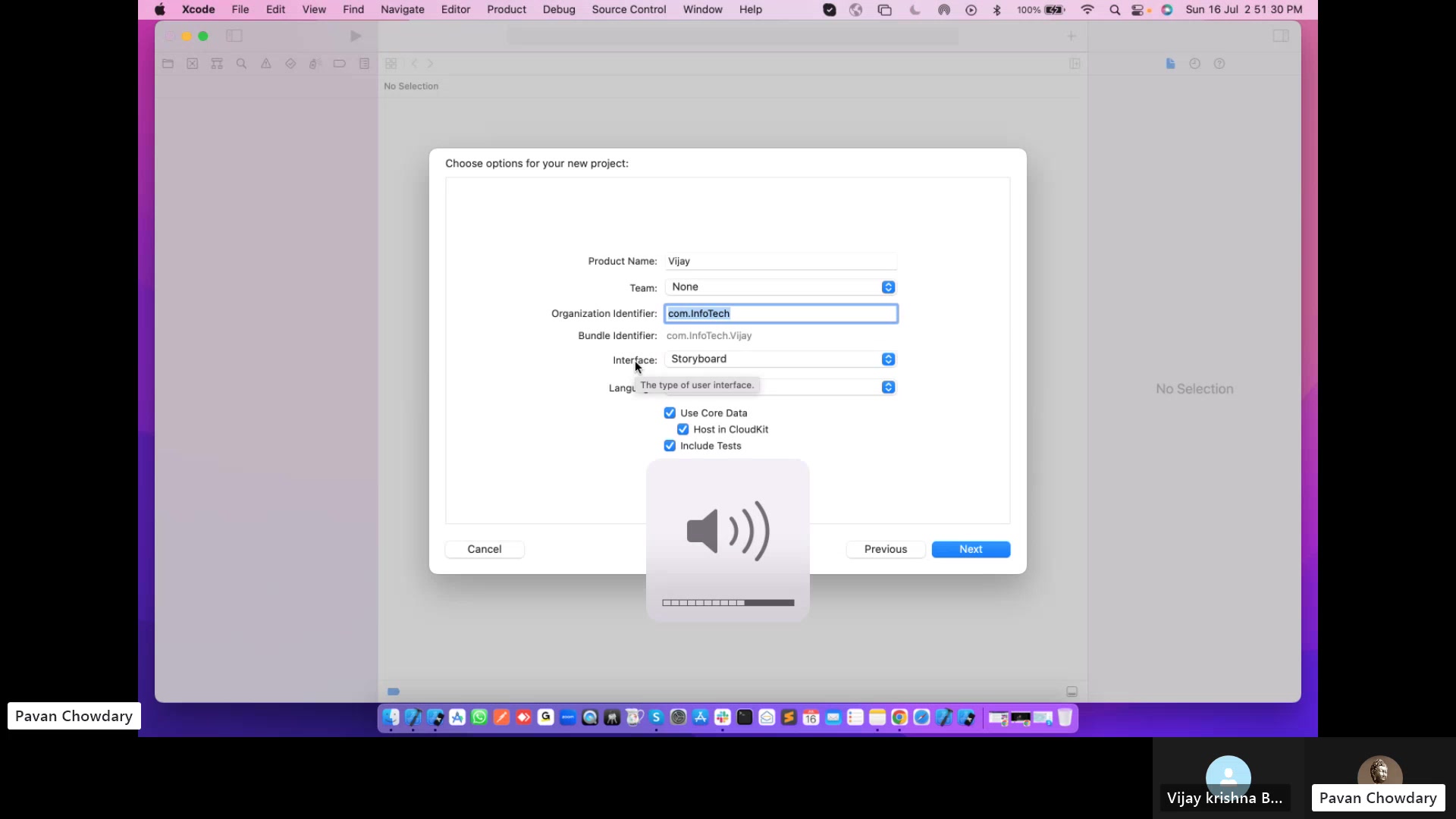
The course begins with the fundamentals of Swift programming and iOS development, including Xcode setup, project structure, variables, data types, functions, optionals, collections, object-oriented programming, protocols, extensions, closures, and error handling.
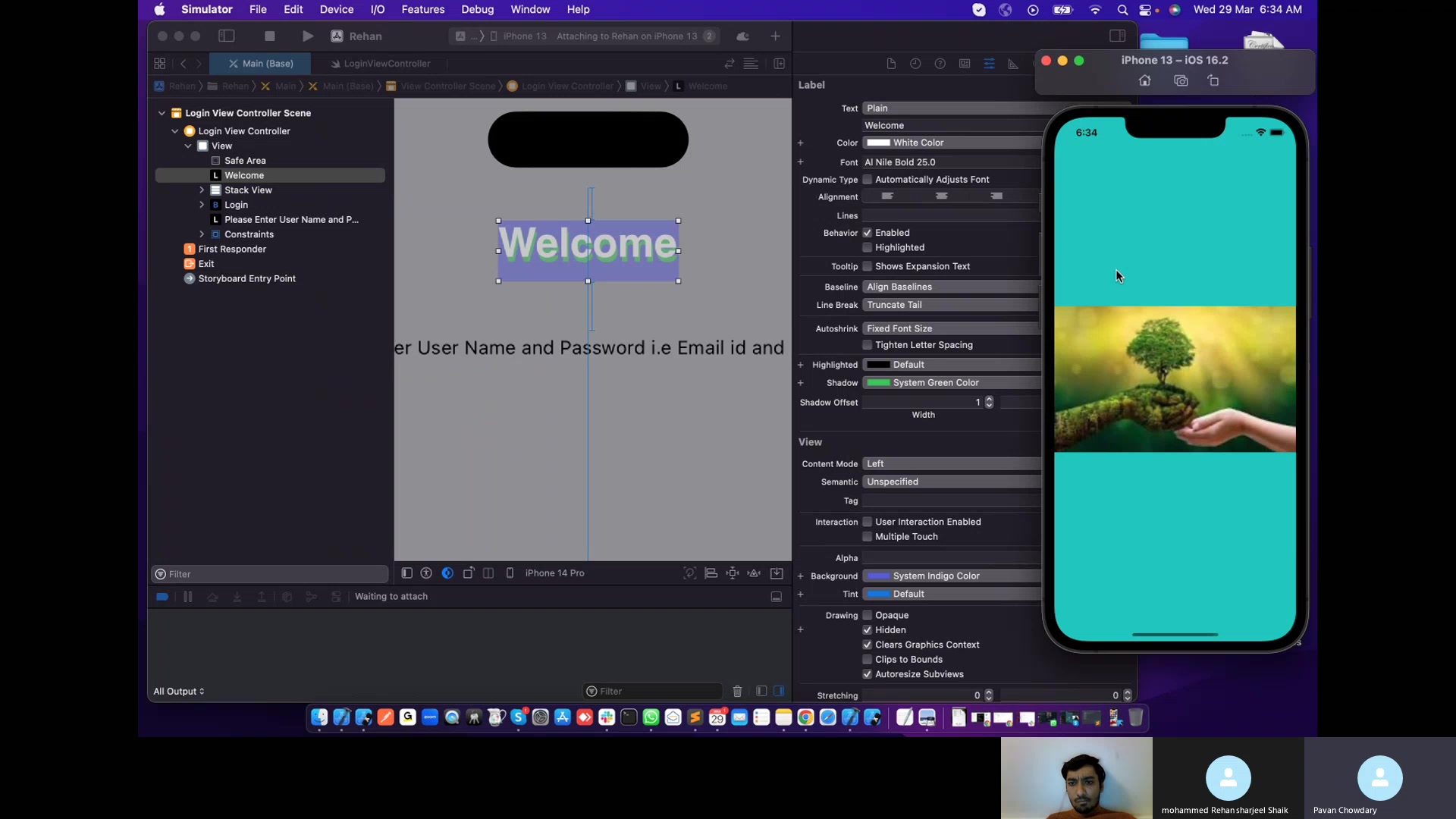
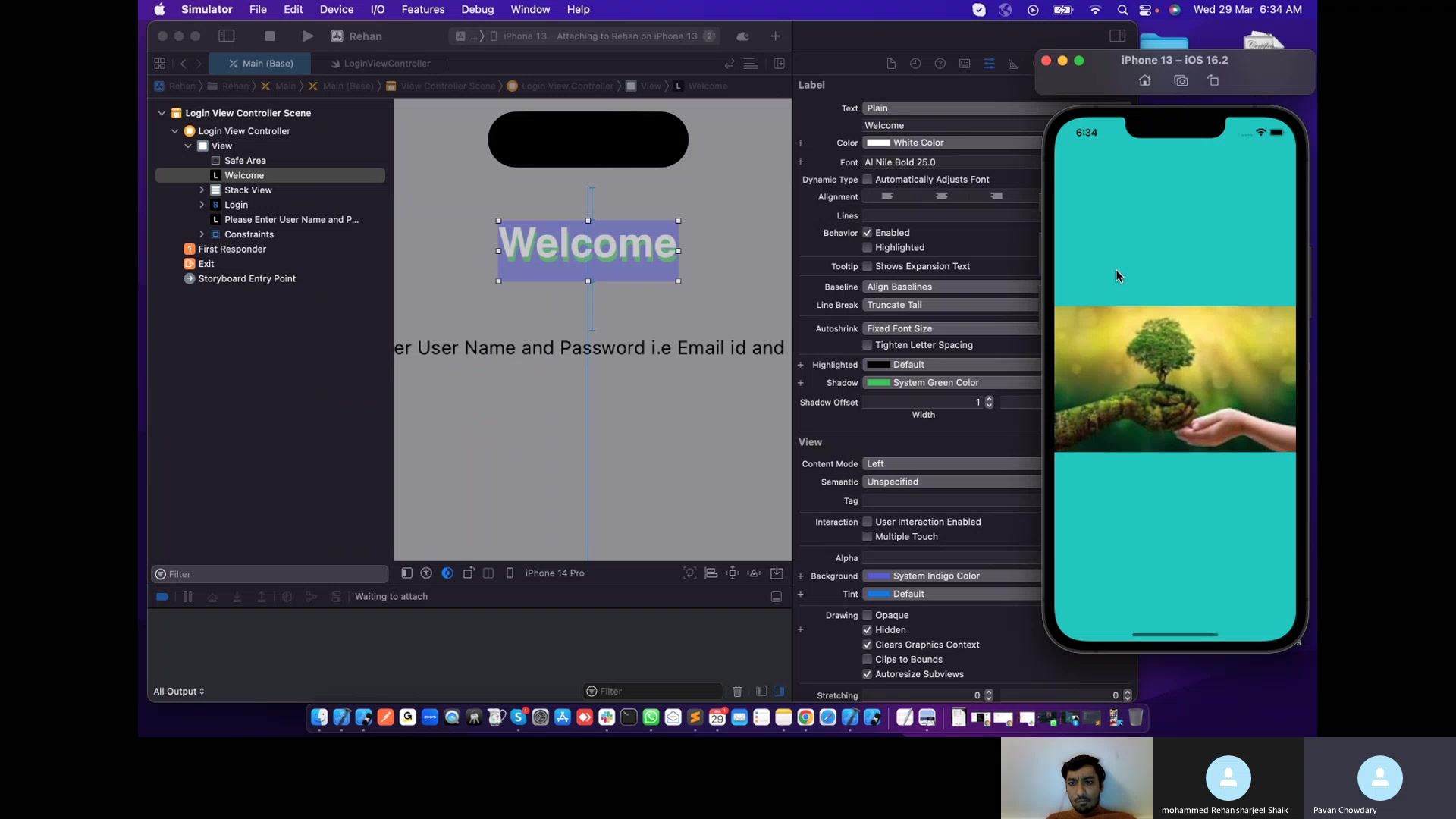
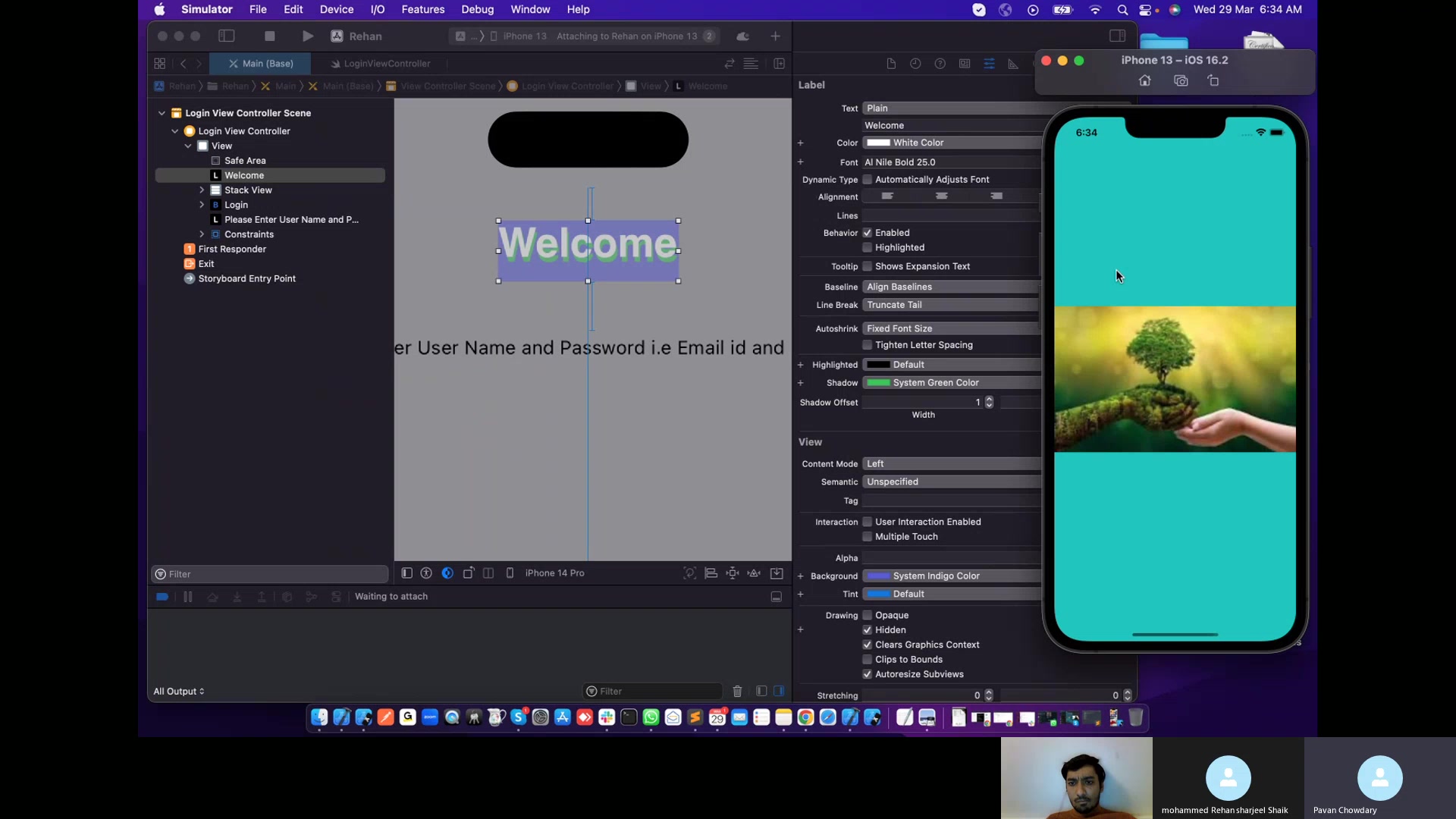
You will then learn how iOS applications are structured and how to create user interfaces using UIKit and SwiftUI. Topics include views, view controllers, layouts, Auto Layout, navigation controllers, tab bars, lists, forms, reusable components, user interactions, and application lifecycle management.
As the course progresses, you will work with REST APIs, JSON parsing, URLSession, Alamofire, authentication, token management, asynchronous programming, async/await, error handling, and secure API communication.
You will also learn modern application architecture concepts such as MVC, MVVM, separation of concerns, dependency injection, reusable networking layers, service layers, repositories, and scalable project organisation.
The course covers important data-management concepts including UserDefaults, Keychain, file storage, Core Data, and local persistence, along with techniques for securely storing sensitive application information.
Advanced topics include Swift Concurrency, async/await, actors, background processing, memory management, ARC, retain cycles, protocol-oriented programming, generics, reusable frameworks, and performance optimisation.
You will also gain practical exposure to common iOS capabilities such as permissions, location services, notifications, camera and photo access, deep linking, background execution, device capabilities, and integration with third-party SDKs and libraries.
Professional software-development practices are included throughout the training, covering Git and version control, debugging using Xcode, breakpoints, logging, crash analysis, code reviews, unit testing, UI testing, coding standards, and maintainable application architecture.
The training is strongly project-oriented. Learners will build practical iOS applications, integrate backend APIs, implement login and authentication flows, manage local and remote data, build reusable UI components, and understand how production-level iOS applications are developed and maintained.
You will also learn the fundamentals of application signing, provisioning profiles, certificates, build configurations, TestFlight distribution, App Store Connect, and preparing an iOS application for App Store release.
By the end of the course, learners should be able to independently design, develop, integrate, debug, test, and prepare production-ready iOS applications using Swift while following modern Apple development standards, scalable architecture, and clean coding practices.


 Certified



